
Mahanth S. Joishy is Editor of usindiamonitor
The United States and China are hurtling towards a violent superpower confrontation unlike any seen since World War II, only this time would be much worse. If the fangs really came out and bleeding-edge weaponry in the arenas of outer space, cyberspace, nuclear, AI, quantum physics, chemical, or biological were unsheathed the potential costs in blood, treasure and global economic devastation would be unimaginable and probably unprecedented since the dawn of mankind. This is the bone-chilling reality of the Thucydides Trap we find ourselves in today, and Cold War 2.0 is in danger of turning real hot, real fast with bilateral relations as damaged as they now stand and with the two sides lacking empathy and knowledge of one another. Such a war would have terrible consequences lasting for generations, even so far as to break the entire 21st century global order.
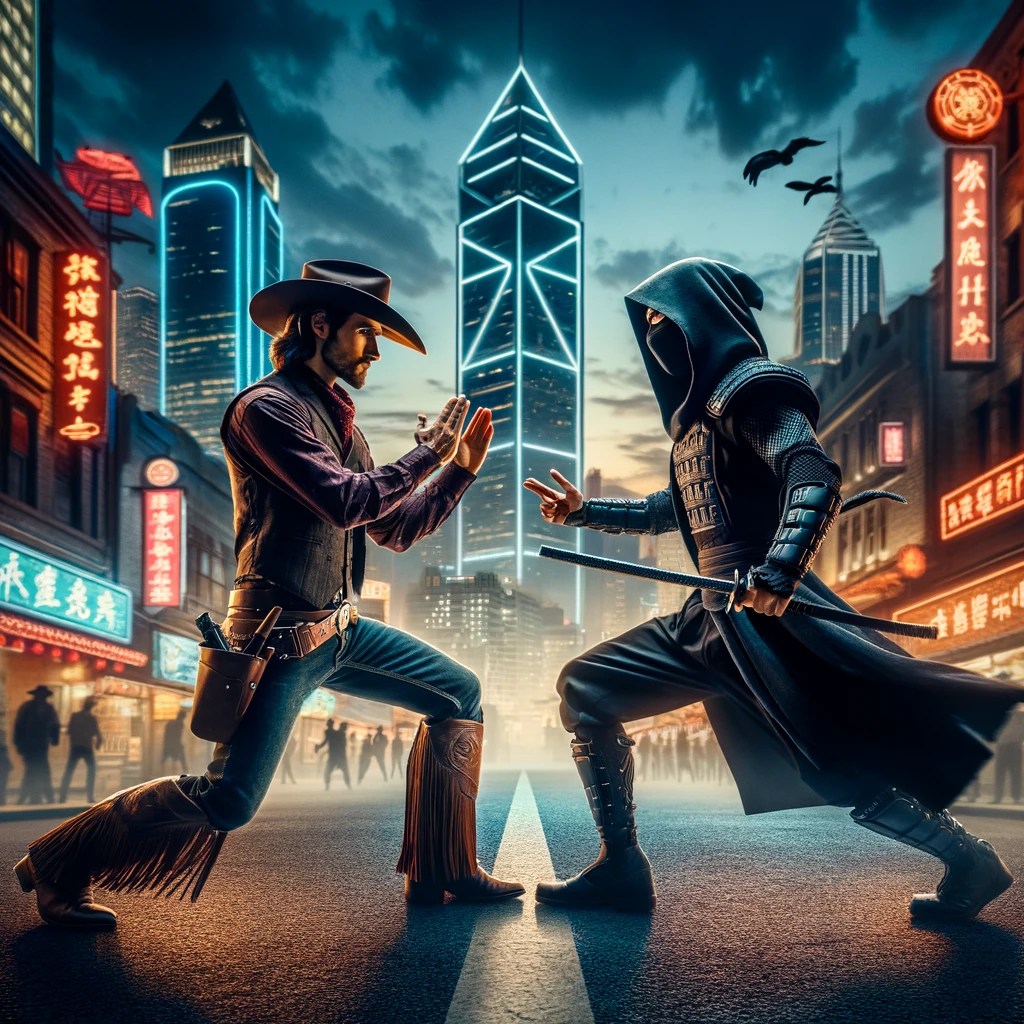
The rest is up to us. We, the citizens of both countries wanting to avoid war have the power but we need to act. The outlook is grim and deteriorating. The world’s two richest economies are pouring trillions of taxpayer dollars in preparation for such an epic duel, a gargantuan capital allocation that could more wisely and efficiently be spent elsewhere if only the two nations were allied in unified purpose to tackle the common interests of all humanity instead of scheming and training to checkmate the other on terrestrial and extraterrestrial battlefields. In great power relations anarchy is the sole arbiter of disputes, perception is reality, and fear dominates the zeitgeist.
Unless the cycle were broken by cooler heads prevailing through interpersonal exchange.
Imagine if America and China were not an existential threat to one another like countless rival powers throughout time viewed one another. These fears served as prelude to the terrible wars that have defined history for millennia upon millennia. Climate change, public health, space exploration, and the safe development of artificial intelligence are just a handful of very real modern threats and opportunities better worth spending our precious time and limited financial resources on. I’ve ruminated lately that since none of these have seemed urgent enough for us to get our acts together, it might take an alien invasion to finally bring about a US-China alliance that could form the backbone for 100 years of world peace and prosperity.
Is war between the mutually suspicious superpowers inevitable? It may sound naive to hope that two rivals engaged in bitter competition on diplomatic, political, economic, and military fronts could become allies somehow. But the missteps of our countries’ leaders, whether elected or not, should not hold our fates hostage. Let’s dig one layer deeper than the government to government bilateral relationship, which is clearly dysfunctional. Instead today let’s highlight an exemplary model of how Americans and Chinese are cooperating to benefit the whole world on a “Track II” relationship, to draw some inspiration and lessons for the difficult road ahead.
All things are possible by bringing together earnest people working hard together to bridge disparate cultures and histories that define the dangerous US-China nexus. The below case study richly deserves to be celebrated and amplified above the jingoism, fear-mongering, and, frankly, racism on both sides that dominate the media landscape when it comes to US-China relations.
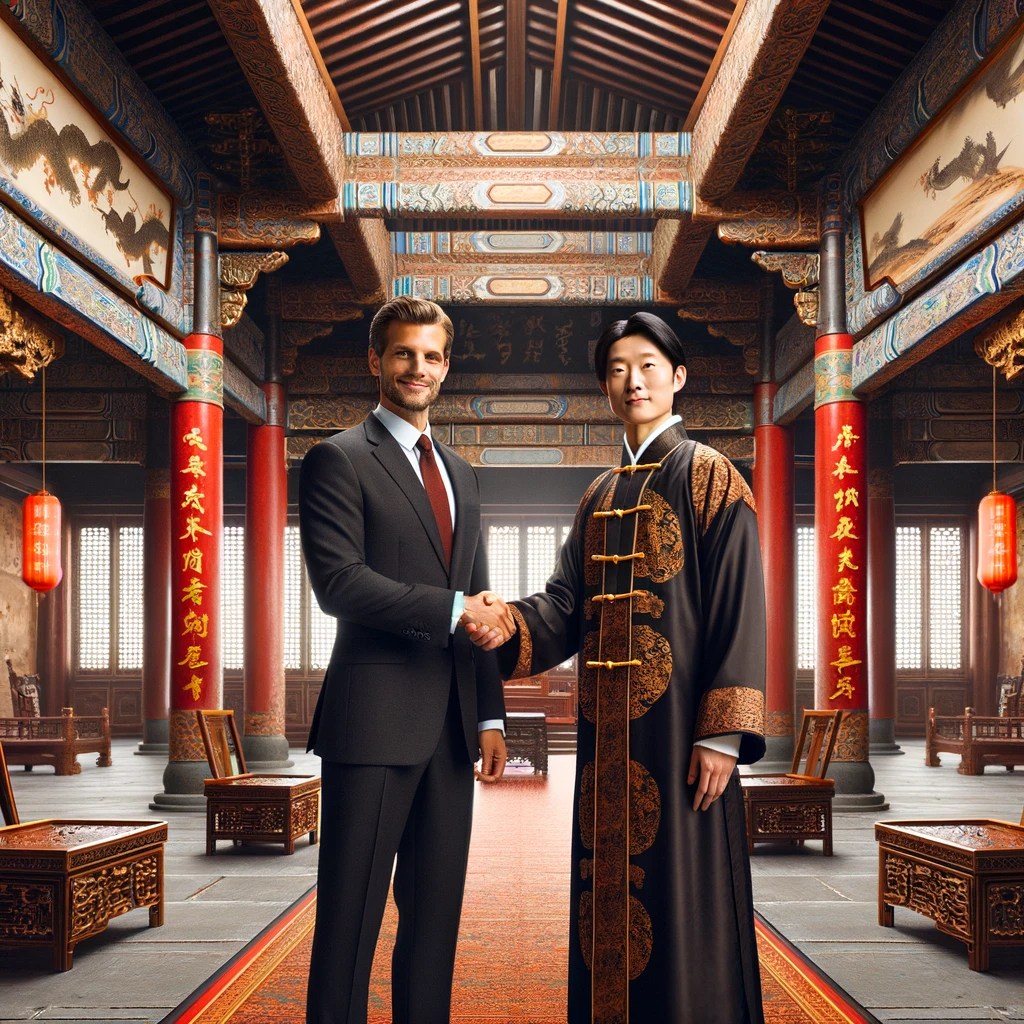
TESLA GOES TO SHANGHAI FOR A HUGE WIN-WIN. In my day jobs, among other things, I have worked on multiple teams that operate and maintain thousands of electric vehicles (EVs) for public sector operations including emergency services, public works, and administrative offices. Electrification is by no means a silver bullet that will eliminate all pollution generated by the automotive industry. At least not in isolation. I would actually advocate that humans should prioritize greener options such as walking, bicycling, and rail above automobiles first, and governments should better support these modes of transportation. But when autos are necessary for moving people around, EVs are objectively superior to internal combustion engine (ICE) vehicles when taking into account the carbon footprints over entire life cycles including fueling, maintenance, and the long-tail supply chains for the production and transport of gasoline, engine oils, and ICE auto parts. EVs are not perfect but they’re a significant move in the right direction.
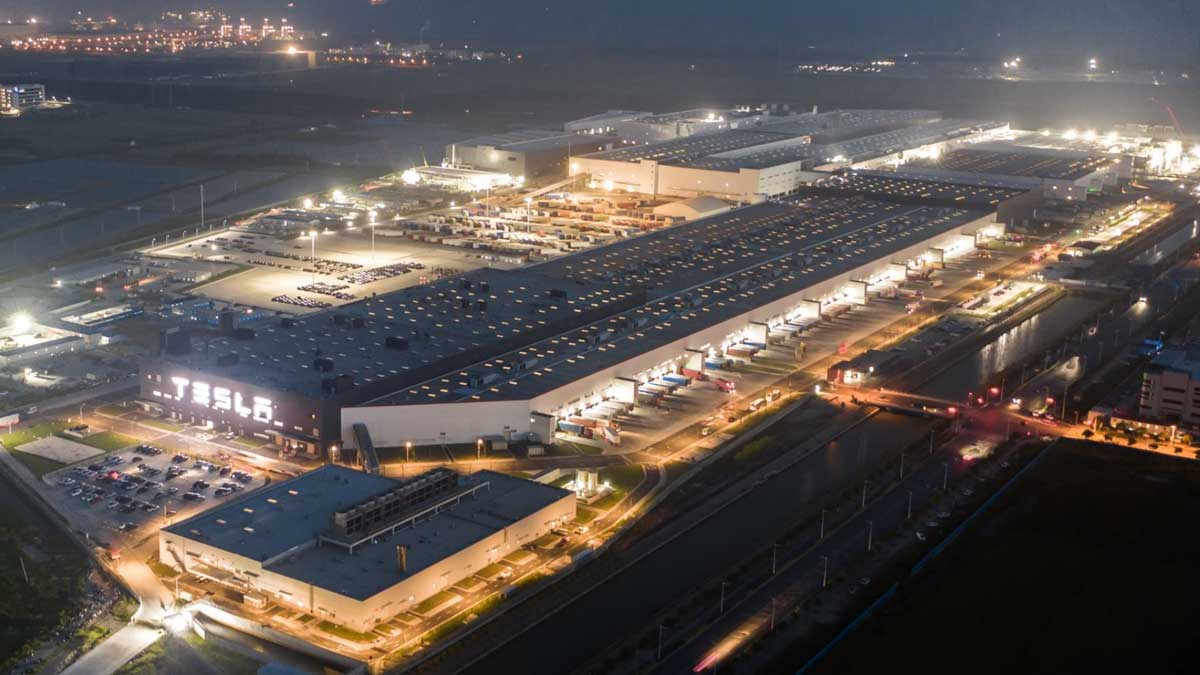
Encouragingly, we are in the early innings of the global EV revolution that will in time overtake the gasoline car paradigm that dominated roadways for the last 100 years. This sweeping, exciting revolution was kickstarted into high gear thanks in part to an unlikely partnership between a solitary American startup company led by an innovative immigrant from Africa, and a few visionary government technocrats in China.
Elon Musk, Tesla, the Chinese Communist Party (CCP), and Chinese business leaders are all widely loathed for various legitimate reasons by some, while others revere them with cult-like fervor. But the partnership we’re about to describe is not measured by opinions or feelings. Facts are facts, and numbers don’t lie. That fateful day the Tesla Technoking Elon made a “Deal with the Devil” by signing an agreement with China to build Gigafactory Shangai aka Giga Shanghai would shake the world of transport to its core and result in millions of EVs entering the world’s roadways, forcing competitors to take notice. This mammoth factory and engineering marvel conceived by some bright American and Chinese minds put together stands as the shining crown jewel among all structures in the entire automobile manufacturing industry, and believe it or not, this machine has only been churning out EVs and other products since 2019. Like a living organism under four years old, the giant structure is still growing and evolving in preparation for the next, bigger phase of its life.
Make no mistake, this was a Deal with the Devil for Elon, and one that no other CEO would have dared to sign. Any idiot would have known that the startup’s valuable proprietary technology and precious R&D accumulated over years of methodical work were at risk of being stolen outright if setting up shop in China, to pop up on Chinese knock-off cars. Companies around the world cheat, but some Chinese companies had taken intellectual property theft and plagiarizing the complex designs and systems of foreign competitors to the level of high art form well before Tesla entered China. Because factions of the CCP likely condoned such behavior instead of regulating it, there would be no credible legal recourse for Tesla if knockoff cars appeared, but if you know the least bit about Elon, he would of course be fine with this copycatting because Tesla’s very public mission is to accelerate the world’s transition to sustainable transport. Even if that meant giving away and open-sourcing IP in service of that mission, which they have been doing for over 10 years. Tesla has always been happy to share its deepest trade secrets, and even did away with concern over patents in an open letter from Elon. This was a radically different approach for an American company planning its first foray into China with confidence.
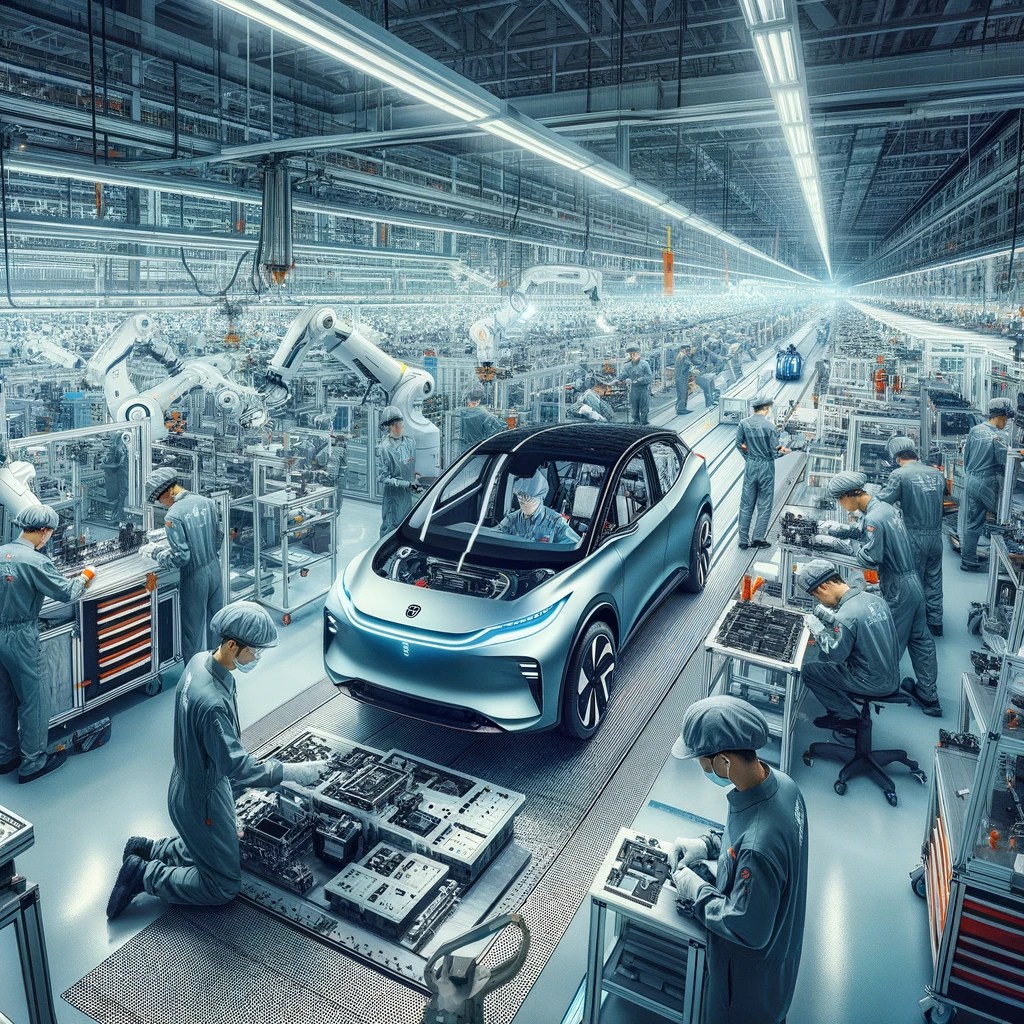
The authoritarian and paranoid CCP for its part made an astonishing concession for a ruling regime so fiercely protectionist of its massive domestic manufacturing base, the prized ace in the hole of the Chinese Economic Miracle. Tesla was allowed to open up shop in Shanghai without a joint venture (JV). GM, Ford, Volkswagen, and the like were forced to form JVs with local corporate partners owning a 50% stake before being licensed to make or sell cars in China (India has similar rules). Historically the country never allowed American or any foreign companies to manufacture inside its borders without a joint venture. In such cases Chinese partners are in effect approved subsidiaries of the CCP, subject to overt or covert control by the regime, whose leaders would pull the strings of the JV behind the scenes from Beijing. China’s goal in incorporating JVs is to shore up local capacity and talent while imbibing the resources and experience of foreign companies, all the while ensuring the foreign company was tightly monitored and domestic industry was protected from harm. But party officials in Beijing and local Shanghai government carved out an exception to the rule for Tesla, allowing the American company to be the very first to be granted full freedom to operate and own 100% of its China business without a JV. The CCP even went further, bending over backwards to offer incentives, expedite construction permits, enable millions in loans from Chinese banks and grants, and funded new infrastructure including roads and public transit to support the launch and operations of Giga Shanghai and its surroundings.
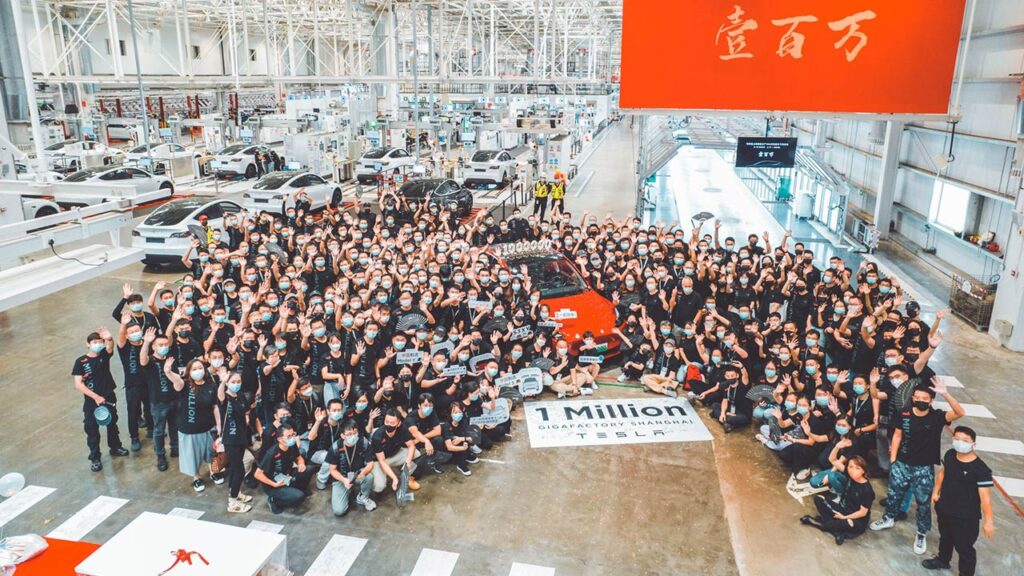
It’s now obvious why the CCP made the exception for Tesla in the lead up to 2019 though the scheme’s prospects were not a given at the time. If successful in China Tesla would create jobs in Shanghai and additional upstream jobs in different provinces for raw material mining and processing, and in manufacturing components to supply the gigafactory. Millions in tax revenue was also expected to start pouring in. This plan came to fruition. In time a bustling new green tech circular economy flywheel was created in China with Tesla at the center and domestic supplier companies forming the spokes. Teslas were made not only for the voracious Chinese consumer auto market, by far the largest in the world, but also exported to many other countries just as EV demand began rising globally. Thousands of Chinese jobs were created as hoped for, with at least 20,000 currently working at Giga Shanghai itself, and thousands more under employ up and down the supply chain around China.
Just look at what Tesla and China have already done, which only represents the very beginning. After years of grueling long hours by Chinese Tesla employees with a “hardcore” work ethic, who spent a large chunk of the pandemic literally sleeping in the plant during COVID to keep the production lines running, paired with a domestic supplier industry that rose to the occasion, Giga Shanghai became the roaring motor that drives Tesla as its most prolific and most efficient plant for several years running. Well over 2 million EVs have rolled off the line there. So meteoric was Giga Shangai’s ramp in production that it played a huge part in Tesla’s stock price exploding and the company metamorphosing from bare-bones startup teetering close to bankruptcy to top EV brand in the world within a few years. Along the way Tesla overtook every other automaker in the United States, Japan, Europe, Korea, or elsewhere- some with 100 years of experience, including promising early experiments with EVs in the 1990s and early 2000s. The Tesla Model Y was the best-selling car of any model in the world in 2023, and the first EV ever to earn that prize, thanks in large part to Giga Shanghai. In a testament to the level of trust, the legendarily difficult boss Elon promoted Chinese-born executive Tom Zhu to be his worldwide #2 deputy among over 100,000 Tesla employees after Zhu’s success in launching and ramping Giga Shanghai. The Musk-Zhu partnership is a model for what top leadership at global organizations could look like based on merit, not ethnicity or international politics.
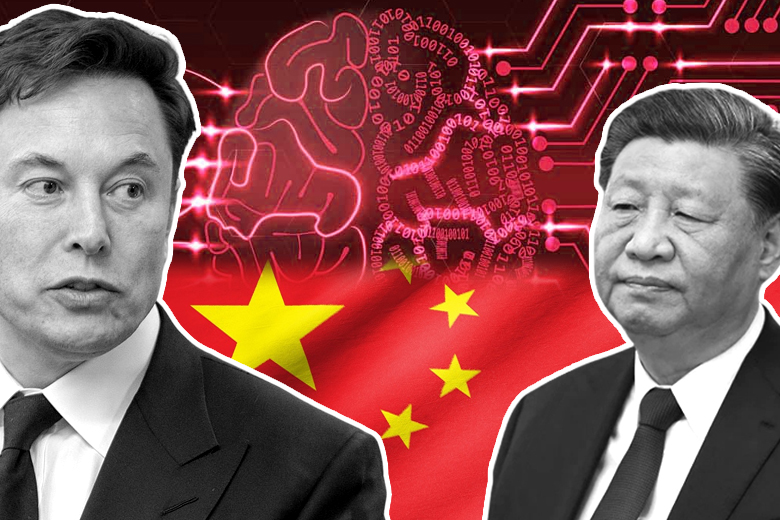
The Tesla presence has also paid off in spades for the Middle Kingdom, which as a country may have rapidly built an unassailable lead in the EV industry by simultaneously supplying and learning from Tesla the all-important specifications on batteries, drive trains, wiring, charging infrastructure, and also software systems. Nearly every step in the entire supply chain of batteries and other components that all brands of EV need must now go through China whether it’s mining rare minerals and metals, processing the raw materials, or manufacturing parts. Every major automaker in the world hoping to make a mark in the EV game, from Ford and GM in Detroit, to Toyota and Honda in Japan, to Volkswagen and BMW in Germany, to Hyundai and Kia in South Korea, to upstart newer startups like Rivian and Lucid: every last one are entirely reliant on Chinese miners, processors, and parts manufacturers who are better, faster, and cheaper than the competition in other nations. China’s dominance in EV batteries is both astounding and disturbing for those concerned about diversifying supply chains or the state of the US economy. Chinese company CATL is the world’s leading EV battery manufacturer by far. China’s dominance in raw materials, batteries and parts spawned a newer, more critical emerging dominance higher up the value chain: Chinese companies now manufacture and sell EVs at a staggering scale, nipping at Tesla’s heels. Although there is a wide variance in quality and profitability between the dozens of players in this race, and some are likely to go bankrupt or get bought out, top Chinese EV companies like BYD, Changan, and Nio are serious threats to dominate the competitors who are not serious enough about making high quality EVs that people want to buy. Including on their own home turf.
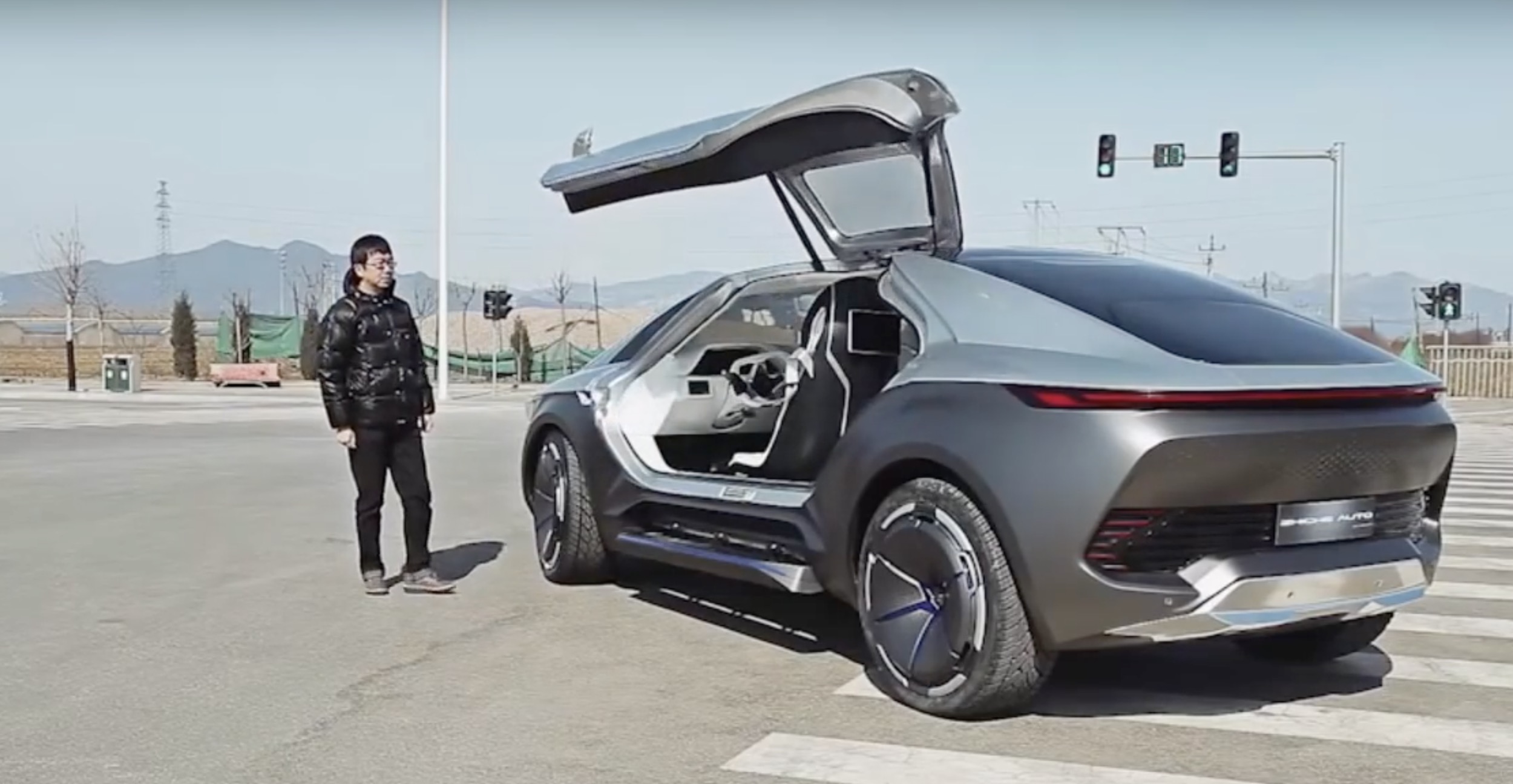
These Chinese EV manufacturers aiming to catch up to Tesla have burst onto the market at breakneck pace, easily raising billions in funding and expanding the new Asian EV ecosystem initially Tesla turbocharged in Shanghai. The new players have in some cases leapfrogged ahead of legacy automakers from nothing, deploying new cars and manufacturing processes layering upon Tesla’s latest designs and engineering that earned the American company its lead among EVs. Interestingly, many of these Chinese companies were unestablished shoestring budget startups five years ago with zero experience in the automotive business or ICE car production whatsoever. Some of the founders and CEOs came from China’s burgeoning high-tech scene, an advantage for managing the increasing reliance of autos on IT systems. In other words, Elon has spawned a generation of Chinese Elons who are helming China’s growing EV industry.
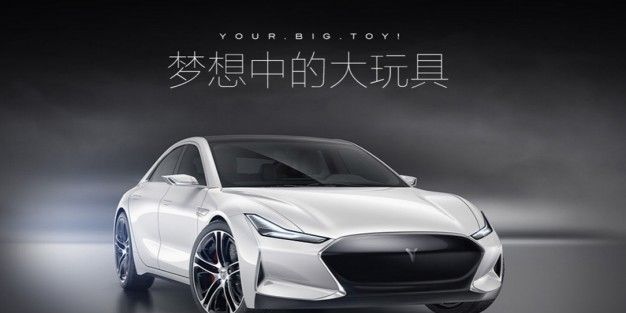
When the dust settles, the picture will become more clear- and very disruptive. If you care about the environment or climate change, the news is fantastic. Zero emissions vehicles taking over in any area of the world, especially in the light and medium duty classes, will drastically reduce carbon emissions (heavy duty trucks and busses at scale will be farther off for infrastructure reasons). But the economics are going to be painful for most of the legacy auto industry in the short run because they are behind the curve. I fear that the entire economy of countries like the United States, Germany, and Japan will suffer during the inevitable EV transition. Through 2024, and likely for years after that, the EV space will be dominated by Tesla in the lead and a group of Chinese fast-followers engaged in cut-throat competition with each other to be #2 behind Tesla, with BYD currently holding the tenuous pole position in that race. There may be resentment that the EV race spoils are accumulating to the likes of Elon Musk and Chinese companies, but those who feel that way either better get used to it, or do something about it.
Unfortunately for competitors in America, Europe, Japan, and Korea they are falling further behind by the day as they struggle to maintain production lines and complex supply chains for both ICE vehicles and EVs simultaneously. They are not investing in EVs fast enough, and they lack dedicated focus. For example too many companies are inexplicably adding even more complexity and half-assing it with hybrid and plug-in hybrid options, which will ultimately result in them losing on all tracks by offering none of these four very different classes of product at the highest quality. Competing in the EV market in the coming years will require laser-like focus on just one platform, battery electric, and even that might not be enough to survive. That requires winding down ICE production ASAP for dear life. Upstarts focused exclusively on EVs such as Rivian and Vietnam’s Vinfast may have a chance to catch up or get bought out, if they bust tail with their foot firmly on the accelerator exclusively focused on EV manufacturing for several more years on the long, hard road toward reaching scale and profitability for survival. That is how the highly profitable and scaled Tesla and a handful of the Chinese automakers got to this point. EVs accounted for a whopping 30% of new vehicle sales in China in 2023 compared to under 10% in the United States, but the Chinese trends are a glimpse of the future as EV market penetration rises everwhere, although with fits and starts.
Again, all of this activity stemmed from the landmark deal between Tesla and the Chinese government, which has singlehandedly dragged the entire worldwide automotive industry kicking and streaming into the EV era. This will eventually be great for all. Embracing the EV future is the absolute right thing for the industry and consumers to do. Yes, there are valid criticisms too. The Chinese are not shy about using unethical labor practices, including concentration camps and children in Africa, to get ahead in business. Yes, the Chinese government gives domestic manufacturers unfair trade advantages by infusing them with cash if the companies are in favor with the right party bosses and need assistance to turn a profit. Yes, the Chinese government and corporations probably spy on Tesla and other foreign car companies, and steal their technology wholesale. Yes, China conducts police raids, tax investigations, and other shady tactics to intimidate foreign companies. But I would argue that the fossil fuel industry and the ICE car have just as dirty a global footprint on labor practices and corruption in governance, if not worse than EVs. Oil and gas carry the added stains of fueling multiple bloody wars and ruining our planet above and beyond that, and it also will not last forever if we keep burning finite reserves.
Bear with me here: the Tesla-China nexus is overall a good thing for the world and a leading example of Americans and Chinese partnering to advance technology and society in a sustainable way. The two sides took a big chance, at the height of a US-China trade war during the Trump administration. The risk has already paid off, and we should be commending the project and laying the foundation for more such open avenues in commerce, education, medical research, and other fields. The carbon reduction already in the books thanks to the early years of the EV switch is nice; the future potential as EVs replace ICE cars in increasingly higher numbers should be phenomenal, while EV batteries will only get better and cheaper. The gasoline car, the gasoline station, and the associated supply chains will ruthlessly go the way of the dodo bird. Tesla and Chinese companies are responsible for dragging the entire auto industry kicking and streaming to finally go electric in the last few years, although 15 years later than they really should have started taking it seriously. Tesla in Shanghai and elsewhere showed the way forward, and the good news is that there is gobs of money and new jobs to be made in EVs, the EV supply chain, battery recycling, charging stations, and upgrading grid infrastructure including renewables and battery storage to satiate the thirst of EV demand. All of this tech will continue getting better, and the future looks bright when it comes to greening the transportation industry, though short-term pain for many is inevitable.
More importantly, the future would look brighter still if America and China cooperated, even if it was in friendly competition, in all facets of the bilateral relationship the way that Tesla establishing successful operations in China proves can deliver a win-win strategy with the opportunity to change the world.
 MAHANTH.ORG: ANCIENTIC FUTURIST
[…] peace, Israel-Palestine peace, and humankind’s most urgent geopolitical priority, preventing a US-China war. All of these were written while I’ve been fighting […]
LikeLike