
Mahanth S. Joishy is Editor of usindiamonitor
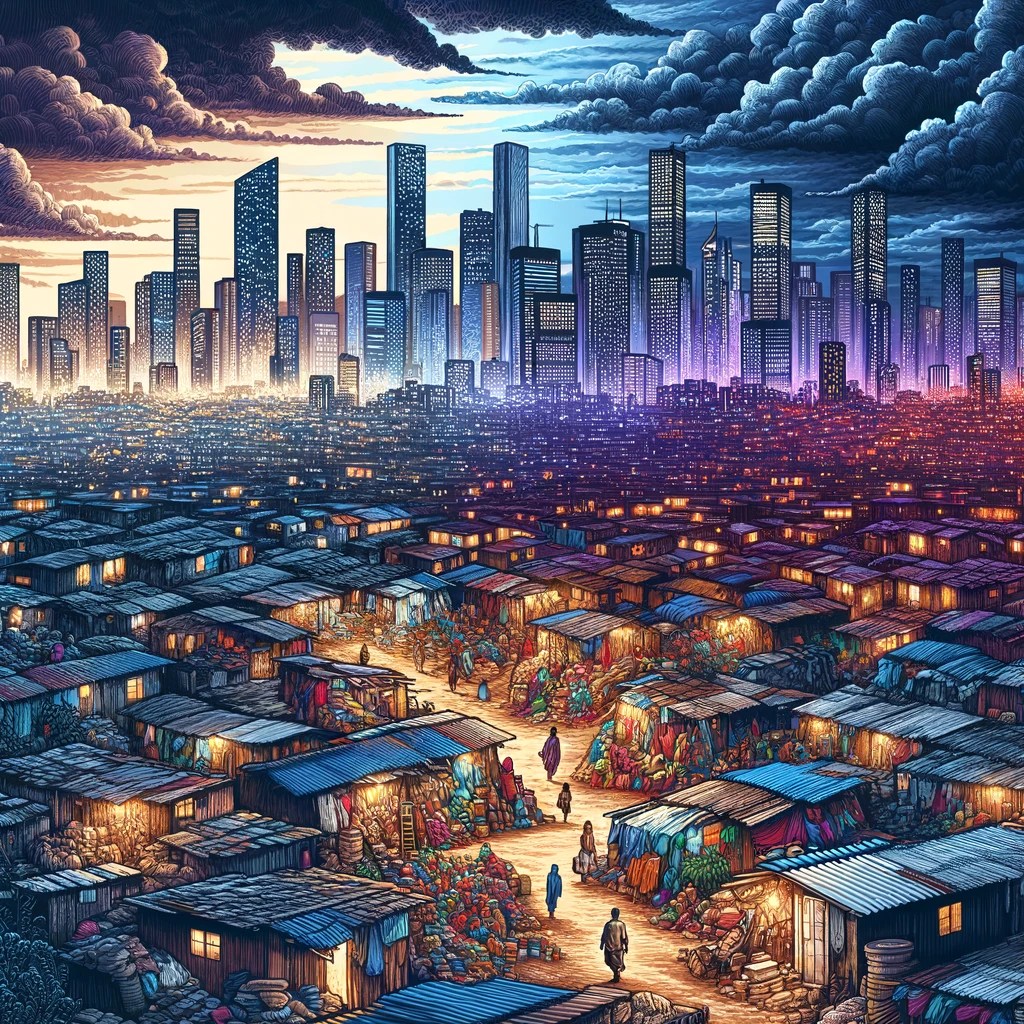
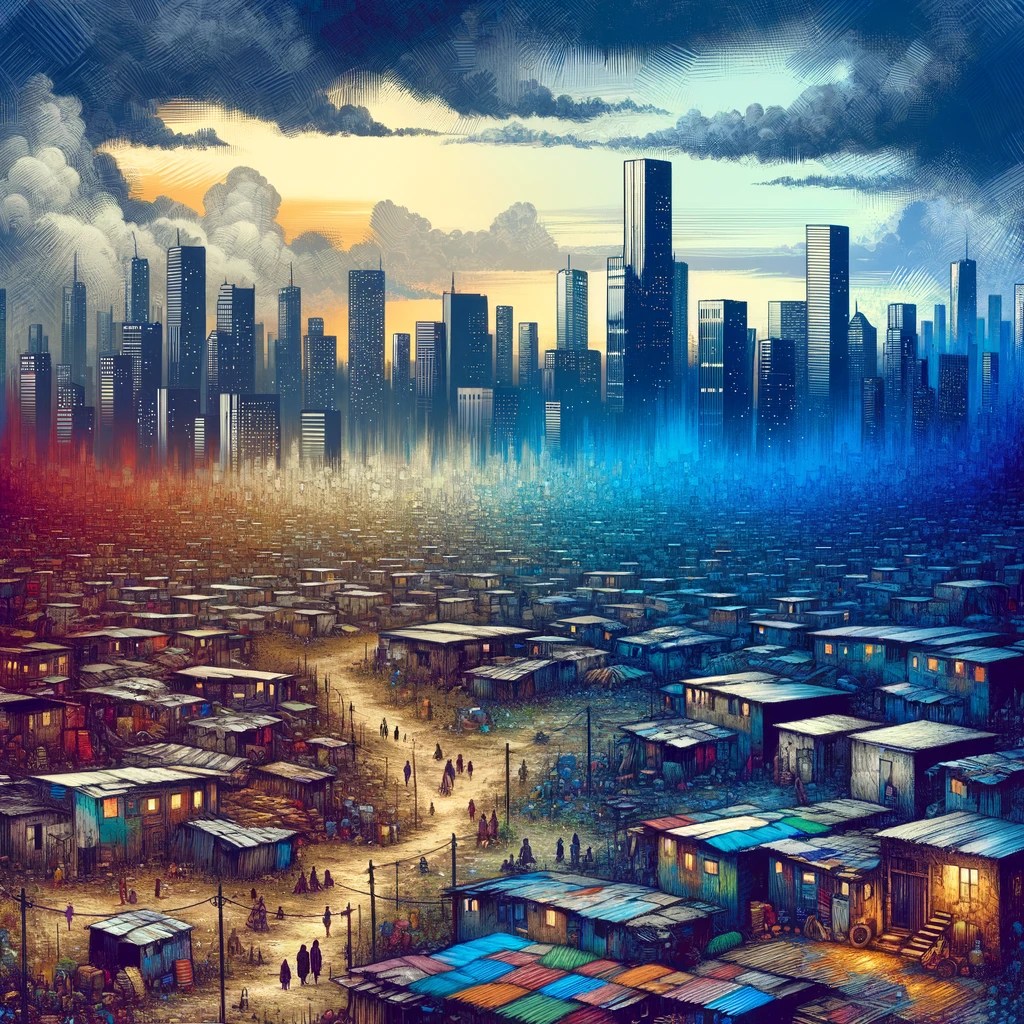
Nestled between the mighty ghats in my home state of Karnataka in South India lies a sprawling megacity whose future prospects greatly matter to all humanity. The world’s critical back office and tech support hub is uniquely defined by paradox, starting with its very identity. Bangalore or Bengaluru? The lush green Garden City of India, or a giant dustbowl choked by deadly pollution and traffic gridlock? Is it South Asia’s roaring high-tech economic engine and thriving Silicon Valley of Asia, or a whimpering wasteland backwater where the majority silently suffers in poverty and filth?
Is Bangalore a skyscraper or a slum?
Somehow Bangalore is above all, all of the above, all at once. Coursing through the community’s million nooks and crannies lives India’s ultimate breathing paradox in a land teeming with exquisite paradoxes like so many rats and mosquitoes spreading plagues. When I peer past the curtain of smog so oppressively smothering it all, I see comfortably perched from afar unlimited promise if just one overarching hurdle is overcome. If this concrete jungle is to successfully emerge from its haze and unleash its full potential, the quest must start deep inside the clogged arteries of the beast. All shall be won or lost on the streets that move persons and parcels around in constipated fashion. It is high time civic leaders and citizens finally muster some courage, and dig deep into a tangled web of chaos, corruption, mafias and crumbling infrastructure to crack the traffic code.
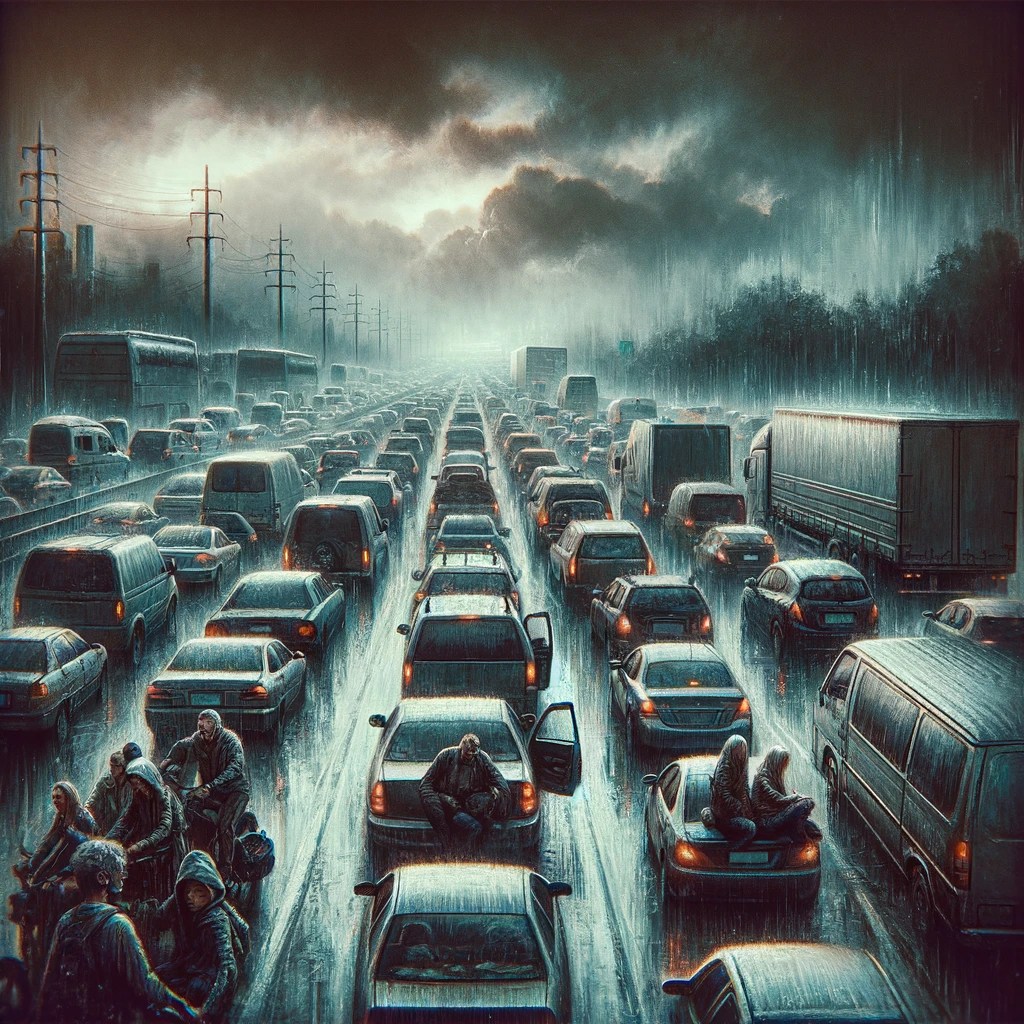
The stakes are high. Without urgent, sweeping and smart intervention traffic will be Bangalore’s downfall. This is no exaggeration. Many Indian cities suffer transportation gridlock, but in Bangalore it’s reached next-level art form, and in fact TomTom rates the city as the 6th worst in the world on traffic indicators. Harrowing and dangerous, the infamous gridlock is only getting worse. An exodus of talent and foreign investment to greener pastures is inevitable unless the downward spiral of chaos on the roads is arrested soon. The current system is obviously bad for public safety, sustainability, air quality, public health, education, and the economy- and everyone knows it.
But a troubled past and a culture of hopelessness do not have to forever doom Bangalore’s fate. It’s not too late. Here we optimistically map out in detail how to fix it, drawing on my 25 years of public service in the United States and applying that knowledge and experience to the infrastructure of a faraway land constrained by very different systems and challenges both visible and invisible. Let us never forget that ideals are universal and ideas are replicable. Nothing short of a transportation revolution is required drawing on best practices in traffic management and infrastructure from around the globe. The solutions aren’t easy or cheap, and will require investments of capital and sweat equity over multiple years. In the end, the vast upside in profit and quality of life to be unlocked by solving traffic gridlock will help the stakeholders realize all persistent efforts along the road were worth it. I have no doubt the financial and technology resources, like leveraging AI to better manipulate traffic data into actionable insights, are readily available within India’s most innovative city. The only thing missing so far is the collective will to act, which I believe derives from Indians’ uncanny penchant for hopelessness and cynicism when it comes to the public square.
It’s hard to know where to even begin on this Rubik’s cube of horror, so let’s start by surveying the current landscape of Bangalore urban mobility in 2024 (or lack thereof!).
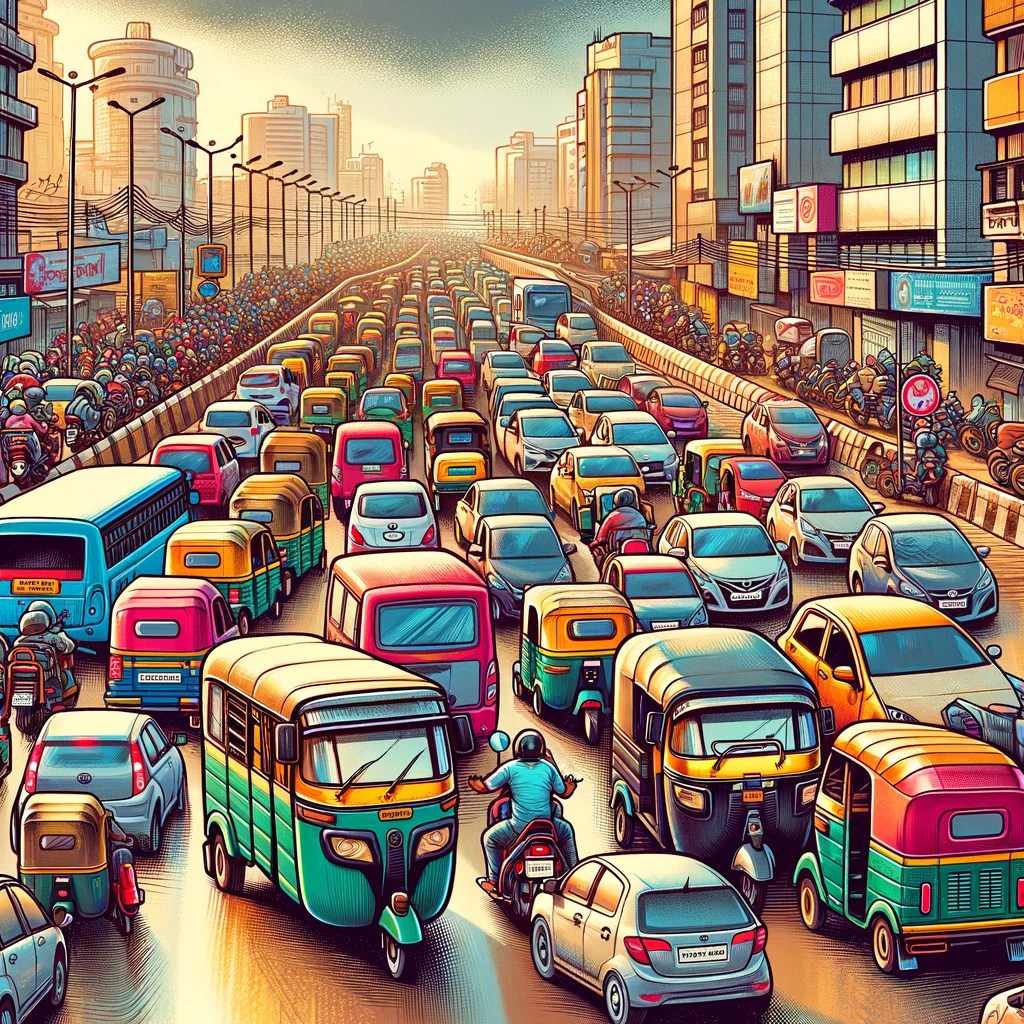
HOW PEOPLE MOVE THEIR BUTTS AROUND BANGALORE
Until the 1990s car ownership in India wasn’t a thing except for the rich. Rising prosperity and living standards in India are a good thing, but it ignited an explosion in the number of four-wheel automobiles on urban roads as they became accessible to a burgeoning middle class over the last few decades. This is an example where aping the United States lifestyle is not in the least bit wise. Predictably India’s streets are piling up with cars, SUVs, and trucks spewing smoke with dire consequences for locals as well as for the planet groaning under the pressure of climate change, and the trend lines aren’t encouraging. Fortunately the answers are right in front of us. Cows, considered holy to many Bangaloreans, have been roaming leisurely on the streets of Bangalore continuously since its inception in 890AD, and humans would do well to follow their noble lead.
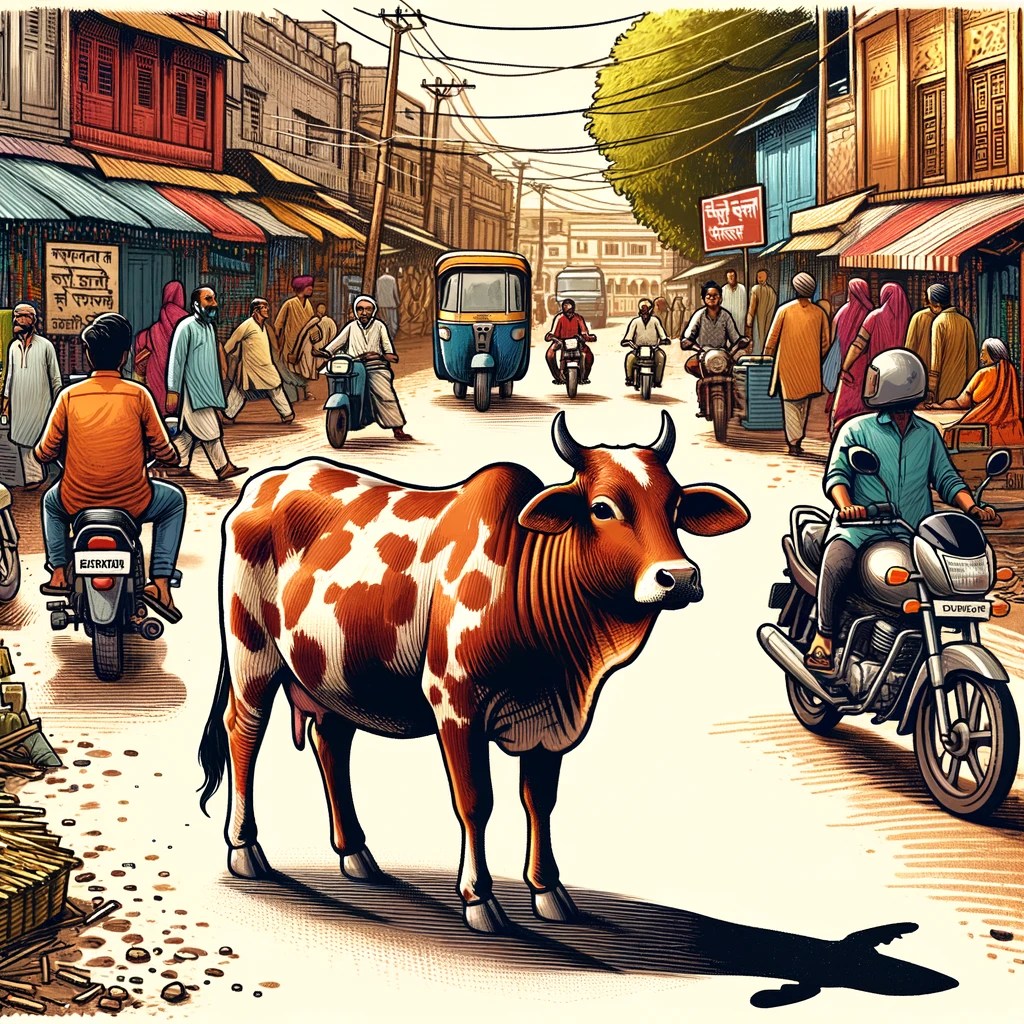
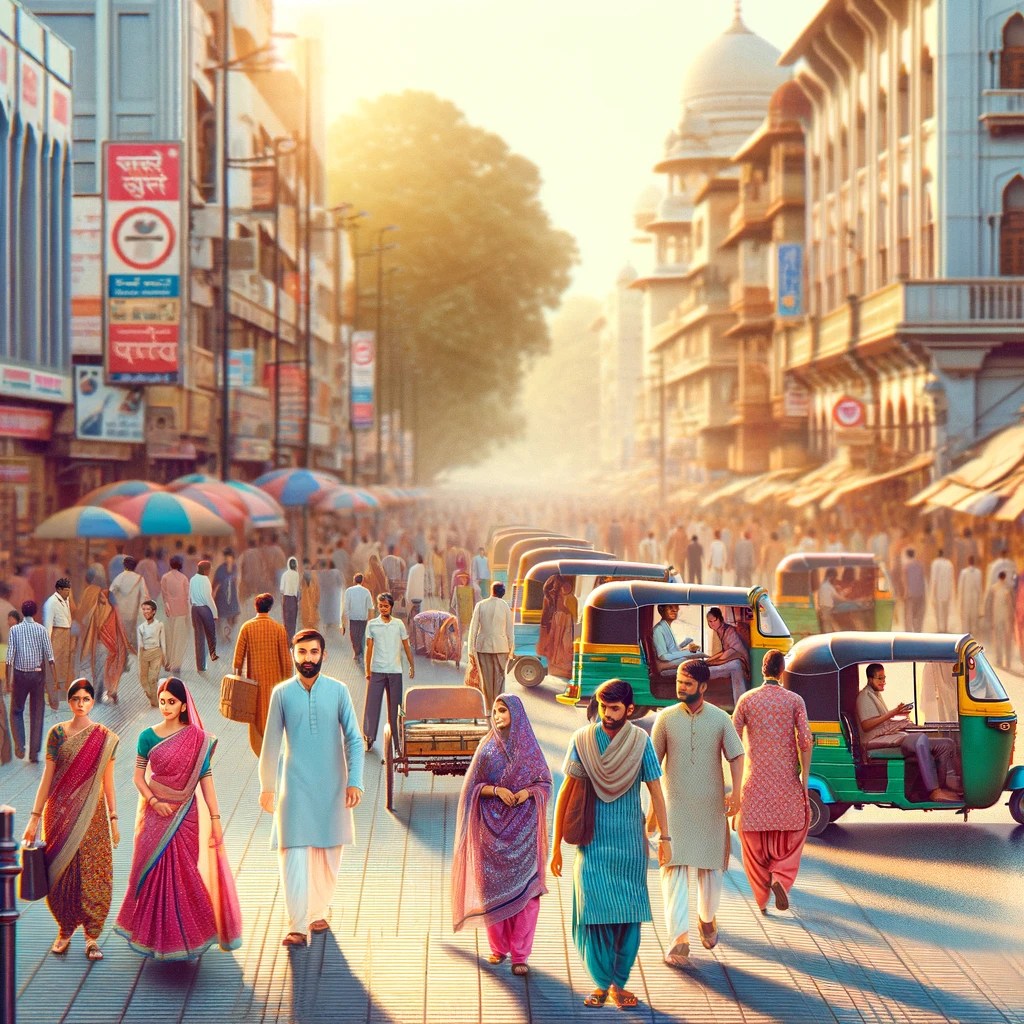
The best type of traffic by far is foot traffic. Walking should be encouraged as much as possible by making it safer, easier, and more accessible. Historically in Bangalore, walking has been made inhospitable by poor urban design not centered around humans, such as the glaring lack of safe sidewalks and the proliferation of open sewers. Walking is good for roadside businesses, for our health and mental health, and outside of the occasional human flatulence, walking results in zero emissions and far fewer injuries and fatalities than operating vehicles. Plus there are zero “upstream” emissions from walking. In contrast there are inevitably “upstream” emissions involved with any type of vehicle platform, no matter how “green” it is, because it must be assembled in a factory using a long tail supply chain and then shipped to the customer. Therefore even if it’s a bicycle, skateboard, or EV scooter, the product has an upstream carbon footprint from manufacturing and freight even without downstream emissions from a tailpipe, not to mention the grime generated by oil changes, parts changes, and other types of required maintenance through the life cycle of every vehicle. For two wheelers by the way, helmets should be enforced by law enforcement in every inch of town to save countless lives and reduce serious head injuries.
However vehicles are a necessity because Bangalore is massive and lengthy commutes are the norm. For long distances, transporting the handicapped or elderly, or operating under time constraints, walking is not feasible. Nor can deliveries of goods take place without vehicles. While vehicles are necessary, we must relentlessly prioritize some modes over others as a society. For not just Bangalore, but any city, I often use this global priority list for urban mobility and it all boils down to how we choose to move our BUTTS, in order from most optimal to least optimal for the health of a sustainable community:
- Butts in Bicycles
- Butts in Battery-Electric Bicycles
- Butts in Battery-Electric Busses or Trains
- Butts in Busses or Trains
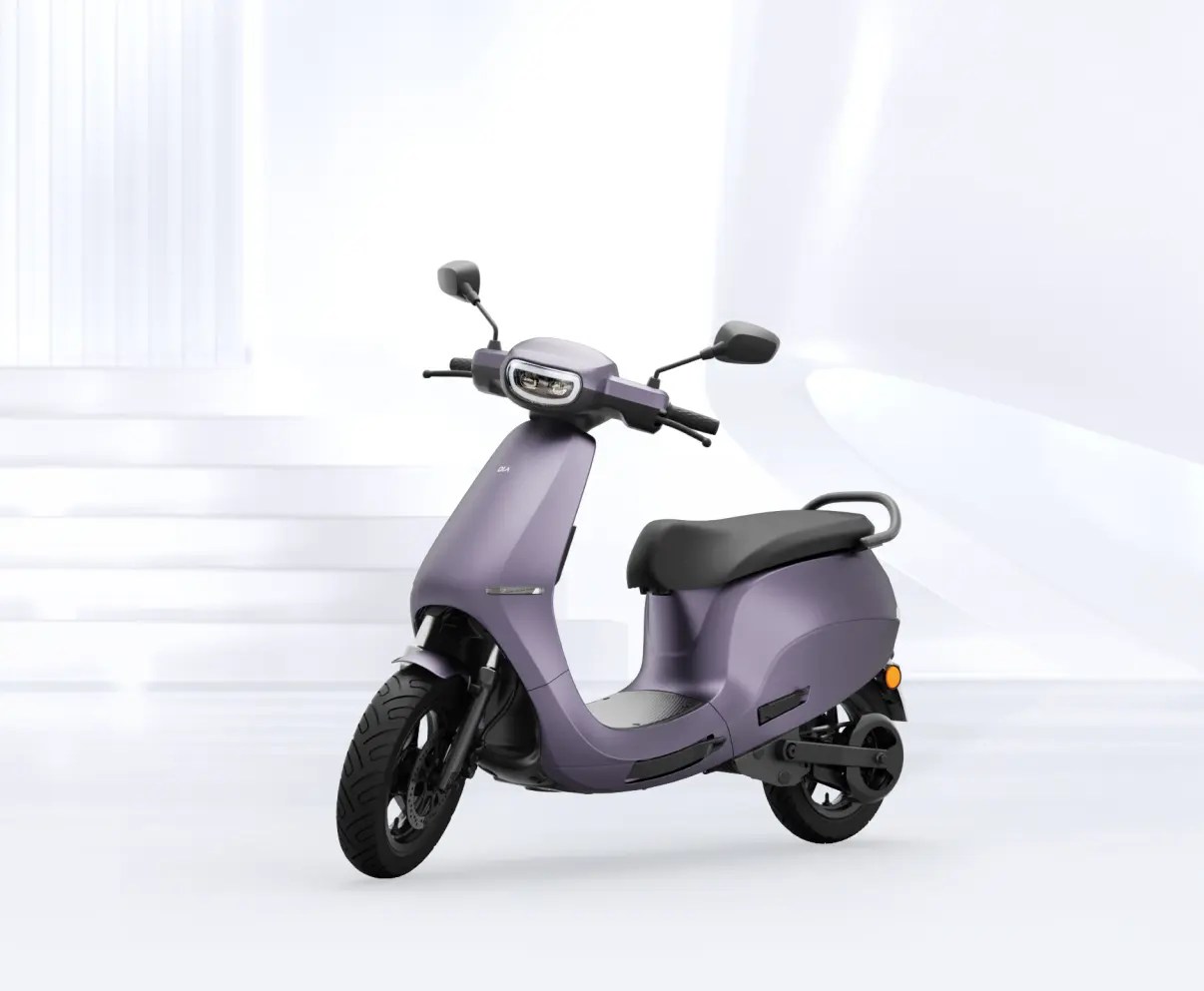
- Butts in Battery-Electric Two-Wheelers
- Butts in Battery-Electric Rickshaws
- Butts in Battery-Electric Automobiles
- Butts in Vehicles Running on Biodiesel or Renewable Diesel
- Butts in Vehicles Running on Fossil Fuel
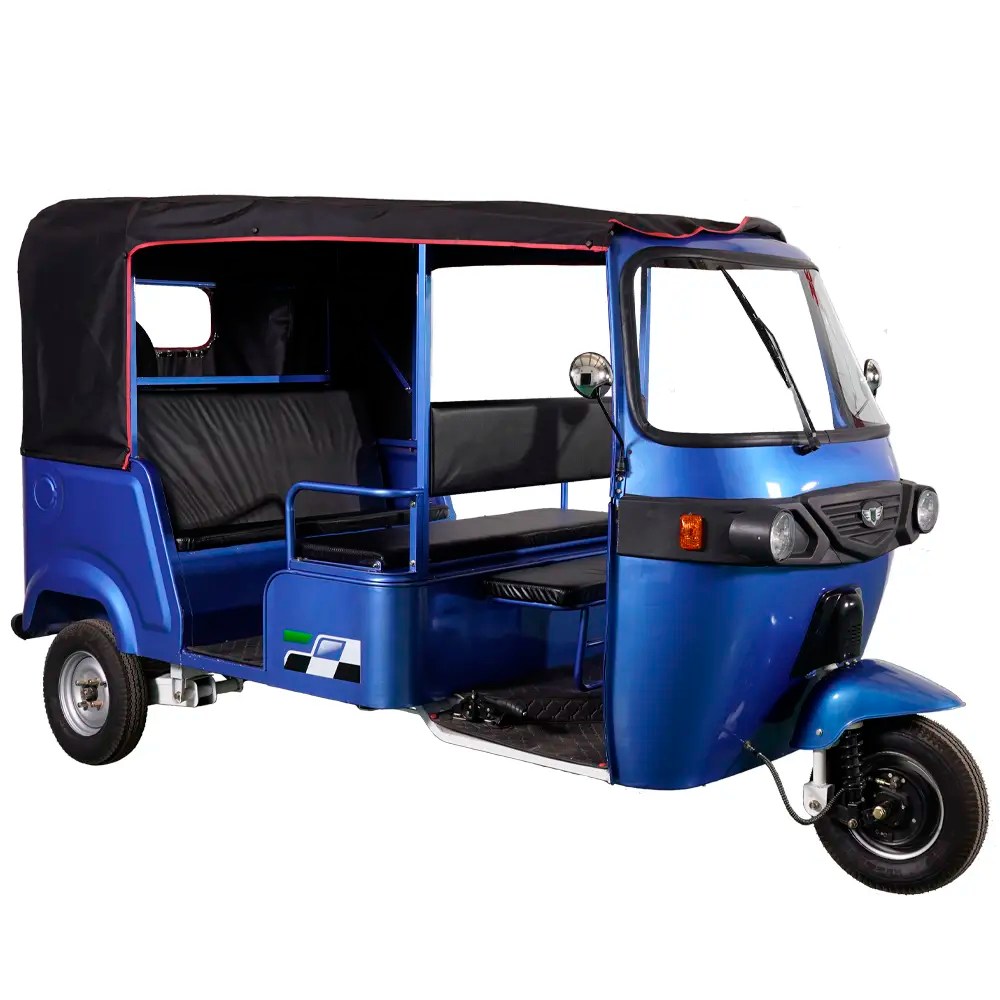
Government, the private sector, and the public must partner together to increase the usage of higher priority methods of urban mobility, and decrease the usage of lower priority methods. Here creative thinking will be needed, as society-wide inertia is a bitch. Fossil fuel vehicles must become the last resort, and made increasingly rare in the coming years. Subsidize the manufacturing and sales of bicycles, EV rickshaws, EV mopeds, battery production, etc. Slap dramatic taxes on ICE vehicles and fossil fuel. Surge the number of public EV charging stations across the city in high-traffic corridors utilizing public-private partnerships. Ban automobiles from a large number of roads, making cars and SUVs less convenient and re-purposing the roads to prioritize pedestrians and bicyclists. Where that’s not possible, wide pedestrian and bike lanes must be carved out on every single road, squeezing motor vehicles into narrower and narrower real estate. In other locations rickshaws and two-wheelers should have their own express lanes. Pedestrians and bicyclists the world over need to take back their streets block by block from the polluting and dangerous killing machines that automobiles are.
Yes, such changes are hugely disruptive and will create major inconvenience for automobile owners as intractable congestion on busy roads will get even worse in the short run with fewer miles of roadway available to automobile traffic. That disruption is the whole point! Cars need to be steadily alienated from roadways, which was of course the state of affairs through thousands of years of human history before cars were invented. More roads should be reserved for walking, biking, socializing, recreation, eating at street food stalls, or shopping. These spaces, absent having to joust with cars and motorbikes make cities great places to live and undoubtedly raise the economic indicators, quality of life and happiness indices in most neighborhoods where they are tested- exactly like urban parks are proven to do. The ultimate goal should be to reduce the demand for new vehicles, and even to get owners to sell off their cars en masse in Bangalore, because cars are no longer welcome on roads beyond the largest arterial sections of main roads.
YOU CANNOT MANAGE WHAT YOU CANNOT MEASURE
It might be obvious that there are too many vehicles entering the road just as we need less. But we must gain a much better situational awareness of the traffic problem citywide than currently exists. A digital army of workers and volunteers must be raised to gather data on the various modes of transportation, analyze, and compile them for actionable intelligence by decision makers. How many commuting trips are taken by pedestrians on average each day on major roads? By bus? On scooter? On EV scooter? On the Metro? By bicycle? By understanding the daily estimated average volumes and geolocations for each mode of transport, it is possible to set targets and timetables to increase the more desirable modes of transport, and decrease the least desired following the priority list above. For example we need to know at least roughly how many butts are on bicycles, in order to figure out what it would take to get even more butts on even more bicycles day by day. Interventions could include aggressively designing and building exclusive new bike lanes, the government and private sector partners distributing free helmets to the public, and eliminating taxes on bike sales and every type of EV within Bangalore. Such simple schemes will pay for themselves many times over.
Risk management on Bangalore’s roads must level up. To the max extent possible data should be collected and processed in real time using substantial human resources and technology. Also of serious interest in the area of data collection and analysis would be the number of traffic fatalities and injuries taking place on the network each day including locations, demographics, and causes. For example, presenting accurately and publicly the large number of deaths caused by cars killing pedestrians every year (especially of schoolchildren, the elderly, handicapped, and other vulnerable populations) on Bangalore’s roads would help build momentum behind initiatives to reduce the number of vehicles in certain high-risk locations, or to step up drunk driving enforcement at night if the numbers suggest. Busses or the Metro are far safer means of transportation and the data would prove it and help shape consumer behavior.
TIME TO SEE THE SIGNS
Fortunately, not all interventions need to be expensive or high-tech in order to end Bangalore’s traffic nightmare. An easy and relatively affordable initiative would be to standardize the design of signage with highly visual and easily understandable graphics, and then aggressively install them throughout the urban system especially at roads and intersections known to have higher safety risk according to the data. These could include speed limits, stop signs, and others. Reduced speed limits are highly recommended as another low-cost strategy that could have large impact. Crappy old signs should be taken down and replaced. This has worked well in the United States and other nations to reduce traffic collisions.
While more dramatic interventions such as strategic deployment of police officers, traffic lights, speed bumps, and CCTV are all key parts of the puzzle, signage is cheaper and faster to implement, especially with economies of scale, and provide more bang for the buck. A revamped and high-quality traffic sign program can be rolled out very rapidly in a city which is dreadfully low on universal traffic signs that are designed and installed to look professional and standardized for all drivers. A revamped signage plan also has the added benefit of local job creation on the cheap.
DRAMATICALLY SURGING THE NAMMA METRO SYSTEM (LIKE, 10X)
I first rode the Namma Metro on a trip to Bangalore in 2012 (also the first time I ate a Maharaja Mac at a Bangalore McDonald’s), and was favorably impressed by the cleanliness of the stations and train cars, and the technology which now facilitates thousands of daily commutes relatively well. I thought this transit system showed huge promise. But my main takeaway back then still applies today, 12 years later: the station network is woefully inadequate for Bangalore’s size and stature and desperately requires expansion to cover more areas. According to one source in late 2023 there were an average of 710,000 daily riders, and this figure needs to dramatically surge to more than 7 million a day for a city of close to 15 million people and growing.
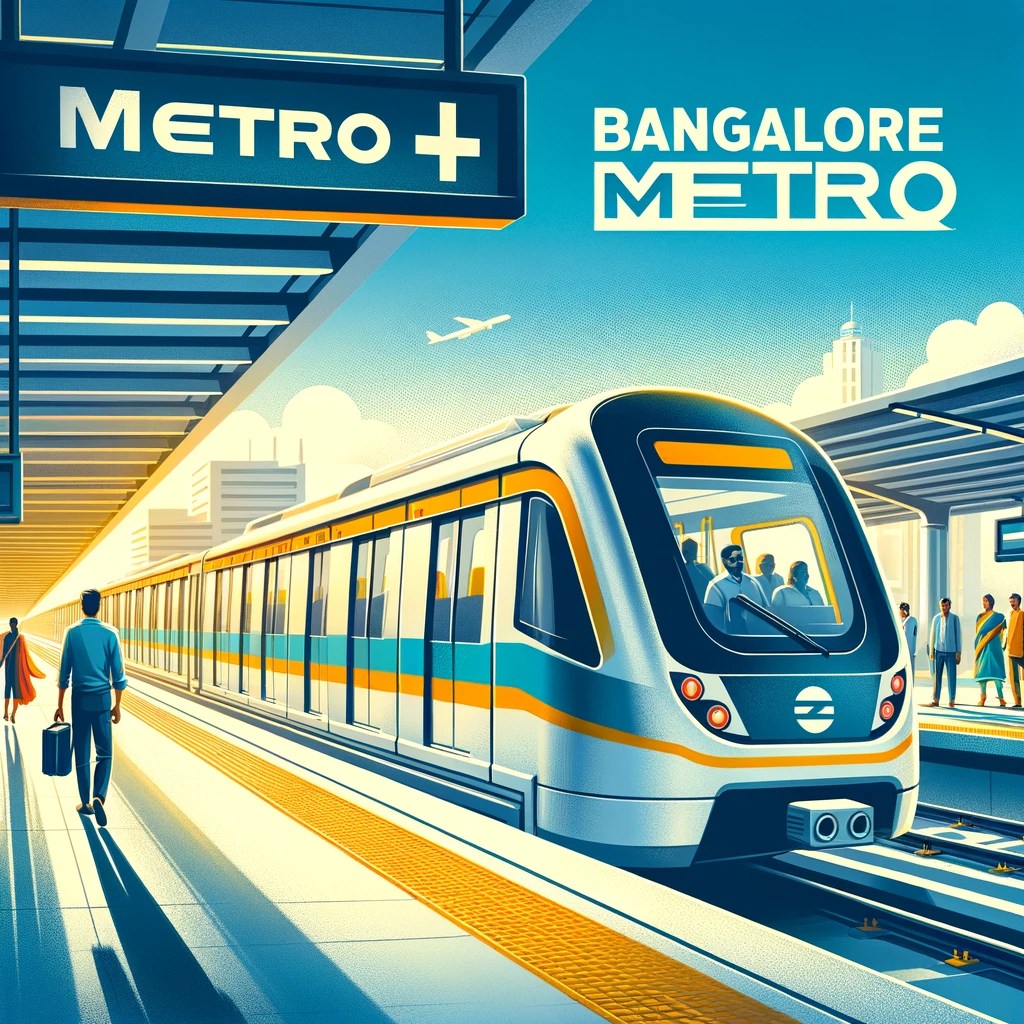
Reaching that number would be both awesome and worth it. The cornerstone of any thriving metropolis is an efficient and reliable public transportation system connecting all the densest commercial and residential centers. Bangalore’s Namma Metro, while a stride in the right direction, needs lots more stations and track. More routes would help cover the vast expanses of the city to and from residential colonies, schools, colleges, offices, factories, restaurants, bars, and shopping. Rides should be made cheaper with tax rupees and private investment, with incentives for regular riders like “frequent flyer” miles offered by airlines. The government offices, colleges, tech giants, banks, small businesses, etc. all stand to benefit in employee recruitment, morale, and retention, and all should pour more money in for the bus and Metro systems to advance even further. The good news here is that there has been a great head start, the starting point is the hardest part and Bangalore is already past that hurdle successfully.
The Metro and busses should also be adjusted into a 24/7 schedule instead of shutting down from midnight to 5am, especially taking into account all the night shift workers, nightlife and drunk driving on Bangalore’s streets after midnight that all contribute to making Bangalore a vibrant global metropolis early and late in the day. A bigger Metro system also means more jobs for the building and maintenance of stations, busses and rail cars, and most of these jobs cannot be outsourced outside of Bangalore. The infrastructure is needed to replace vehicle miles driven. A dramatic bus transit expansion should be entirely electric or run on biodiesel or renewable diesel.
Investing in public transport is not merely about adding more buses or metro lines; it’s about creating an ecosystem that encourages people to leave their cars behind for most transport needs, which should be the #1 goal of the plan to end Bangalore’s traffic nightmare. This includes last-mile connectivity, safe and clean stations with access to restaurants, stores, clinics and hospitals, and seamless integration with different modes of transport such as rickshaw stands, bus stands, bicycle racks, and shared EV scooters. All this should come together to make the neighborhoods surrounding each station into a hub for work, shopping, medical care and play in a formula that other cities with great public transit have perfected. Imagine a Bangalore where public transport is not just an option but the preferred choice to get to most important parts of the city. Riding the affordable, reliable, efficient, and safe subway and bus system at any time of day or night for any possible reason was one of the great joys of living in New York City for 16 years, and everyone I knew used public transit heavily instead of driving, whether rich or poor. New York City would not be the greatest in the world without the MTA. This level of integration into city life should be the primary aspiration for Namma Metro.
DECENTRALIZING THE URBAN CORE USING SENSIBLE ZONING
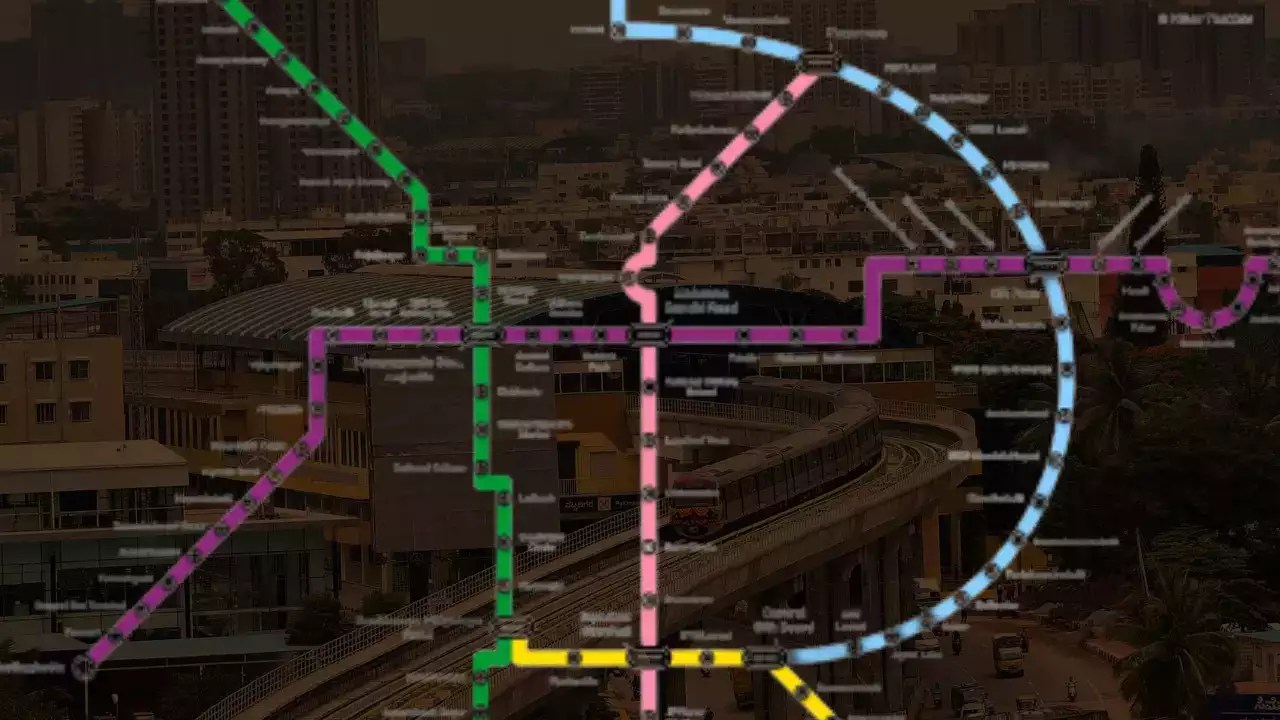
India is not exactly known for urban planning. Development occurs willy-nilly at breakneck speed and out of control without regard for people, regulations that may or may not be on the books, or the natural environment. Bangalore and other cities throughout the country grow exactly the opposite way, or “urban unplanned.” But a Bangalore that breaks that cycle could be a model for the rest of India. The solution is common sense zoning based on metrics and advanced planning years ahead, as occurs in the West.
Bangalore’s allure as a tech haven has led to lopsided development, with gleaming skyscrapers mushrooming around select hubs where wealth and power are concentrated. This centralization contributes significantly to traffic woes as masses commute to and from these hotspots daily, while other parts of town remain quiet and underutilized. A strategic plan to decentralize, promoting satellite towns throughout different districts, could distribute traffic more evenly. Encouraging companies to set up offices in peripheral areas and incentivizing employees to live closer to work can mitigate the rush hour surge, making the city’s growth more sustainable and balanced. Zoning will not only relieve traffic, but make Bangalore a better place to live or visit while drastically reducing the carbon footprint from all of that gasoline and diesel burning while drivers are stuck in traffic, going nowhere fast.
INNOVATING OUR WAY OUT OF THE QUAGMIRE
In an era where technology is synonymous with new solutions, leveraging advances in computing power to tackle traffic is a no-brainer especially considering the substantial talent pool that exists, ready to be tapped, right within Bangalore’s borders. The traffic problem of Bangalore is exacerbated by a lack of actionable intelligence. Organizations should hire smart people to work on the problem from different angles. AI-powered “intelligent” traffic management systems are being deployed around the world that optimize signal timings based on real-time transportation flow, and these should be procured. Signals can also be programmed to prioritize the passage of emergency vehicles such as fire trucks and ambulances, which could save lives, or busses to promote higher ridership. CCTV can be optimized for better enforcement when traffic laws are broken. Collecting more fines from the most dangerous traffic violations can generate a steady revenue stream from the “sin tax” to fund initiatives in this plan while improving driver behaviors.
With smartphones now widespread in the community, Bangalore’s government can also encourage the rollout of better apps that provide commuters with congestion forecasts and alternate routes. The potential for all these and other technology solutions is immense and the money to be made in addressing the problems commuters face could amount to ridiculous sums. Bangalore, with its tech-savvy populace, academic institutions, and plethora of IT firms, is uniquely positioned to pilot such innovations. Collaborations between the government, universities, and startups could usher in a new era of smart traffic management even beyond what any other city has accomplished. This is a great opportunity to “gamify” the program to upgrade the city’s traffic hardware and software systems by running an open competition among the districts and participating organizations to see which teams achieve the best metrics around congestion, injuries and fatalities, compliance with traffic laws, Metro and bus ridership, etc. Friendly competition also allows for experimentation to study what methods work on the road, and which don’t.
CULTIVATING THE COLLECTIVE WILL TO PROMOTE A CULTURE OF RESPECT AND SAFETY
Driving behavior itself is in dire need of change for those cases where avoiding the use of a rickshaw or car is not possible. Along the theme of gamification, Bangalore could also run a contest using free or subsidized telematics solutions leveraging smartphone apps to reward citizens and organizations for consistently safe driving skills over time, such as recognizing individuals with the crown of “Bangalore’s Safest Driver.” A similar project called “Boston’s Safest Driver” runs in Boston using telematics data like speeding, hard braking, and hard acceleration. This would be a fun way to encourage safe driving behaviors while also uniting all who share the road in the spirit of collectivism and rivalry in service of common goals. Attacking Bangalore traffic cannot be top-down, or involve just the elite few. Without collectivism and public buy-in, efforts to improve the city including its traffic problems will go nowhere. But if groups organize and work together, all things are possible.
Beyond infrastructure and technology, throughout India and certainly within Bangalore there’s an urgent need to foster a culture of road discipline and respect for fellow travelers. Traffic congestion is often exacerbated by unruly driving and a blatant disregard for rules. Initiatives to educate drivers, increasing police presence and fines, more stringent enforcement of new and existing traffic laws, and campaigns promoting road courtesy can play a pivotal role in transforming the chaotic symphony of Bangalore’s streets into a more harmonious flow. We need to tap into the kinder, softer side of Bangalore’s millions of road warriors whether their butts are on 2, 3, or 4 wheels.
AGGRESSIVELY EXPANDING CAR-FREE ROADS
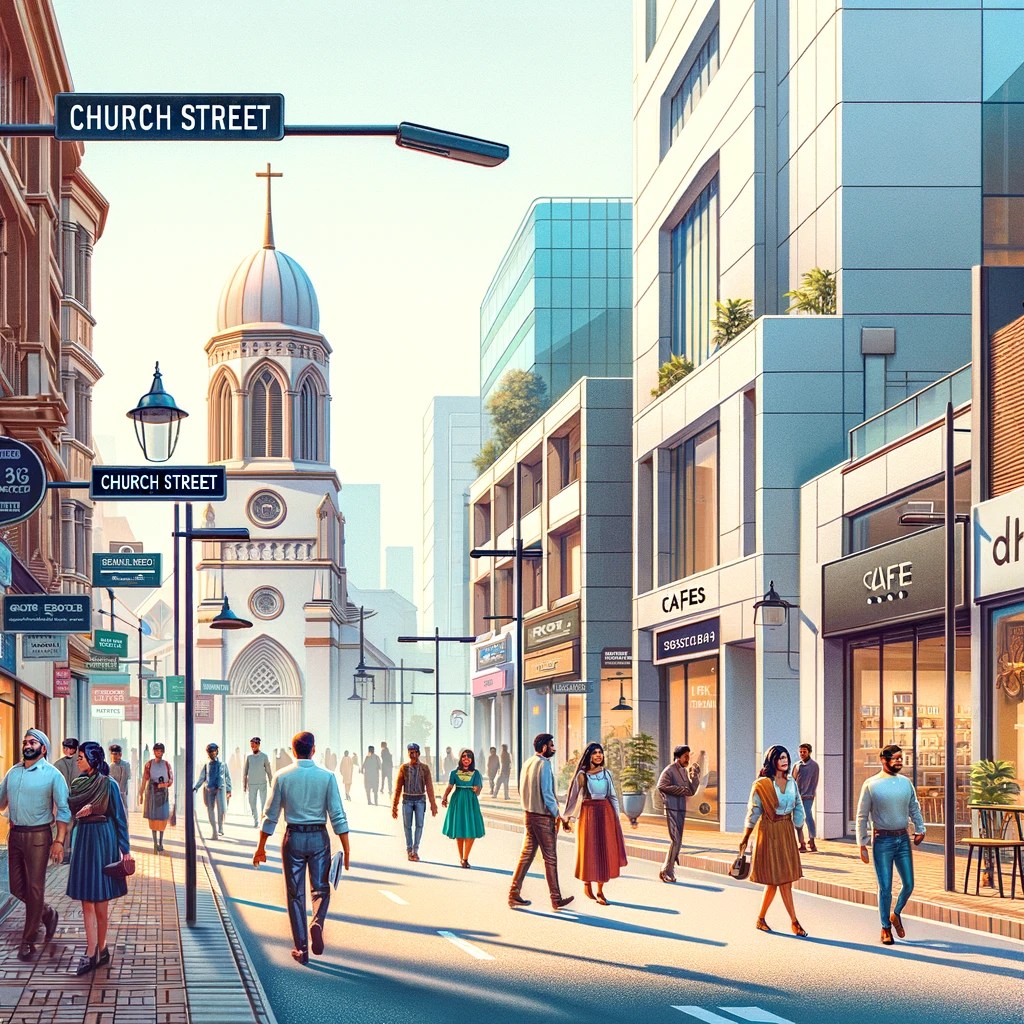
The most vibrant and dramatic pillar of the plan to defeat traffic gridlock is to completely ban cars and trucks from roadways altogether, and converting those roads into pedestrian plazas as described before. Wherever such changes take place, they are popular. It’s not hard to see why. Envisioning a future where greenery and sustainability define urban transport, the concept of car-free zones – dedicated blocks of streets reserved for pedestrians and bicyclists only – could revolutionize short-distance travel and how people socialize, shop and recreate. Not only do these corridors offer a respite from Bangalore’s pollution and the stress of driving, but they also promote a healthier lifestyle, echoing the city’s Garden City moniker. One great example of pedestrianization that Bangalore has already piloted is certifiably a popular success: Church Street, which has banned cars on weekends. We need far more car bans like Church Street, we need it all week, and the sooner the better. From nightmare, to dream.
THE ROAD AHEAD
As we stand at the busy intersection of tradition and modernity, the journey to resolving Bangalore’s traffic dilemma seems daunting. On the other hand there’s a clear path that beckons people to find their civic pride and turbocharge Bangalore’s future with the promise of innovation, sustainable growth, and enhanced quality of life. Fixing Bangalore traffic will require a concerted effort from the government, private sector, civil society, and the citizens themselves for at least 5 years, but local government officials must take the lead, for Bangalore’s public roads belong to the government. The substantial benefits will be shared by those from all walks of life, of all ages, from rich to poor, regardless of religion or caste. Educational institutions, tech startups, and NGOs can all participate in the framework, and all will benefit from the experience and from the results. And importantly, lots of fun can be had along the way.
Bangaloreans have been wringing their hands about traffic for years. Almost nobody is spared. The time for complaining helplessly must end. I cannot think of a more worthy goal for Bangalore and its future than to take this outline, create a plan, and then work this plan through 2030 and beyond. Failure to solve traffic can easily doom the city to the status of a second-class 20th century also-ran as the foundation that fostered the prosperity and innovation to this point is eroded by the rotting infrastructure of a poorly planned and poorly maintained transportation system. We live in a competitive world, where cities are harnessing leadership, organization, and ingenuity to get ahead rather than procrastinating. In this pilgrimage towards a less congested, safer, greener and more prosperous Bangalore, every step counts, and every voice matters. Together, we can navigate this paradox once and for all, transforming the gridlocked Bangalore of today into a powerhouse megacity of tomorrow that is a model for the rest of India and the world.
I have decided if my health allows to share my time, knowledge, and experience to help end the traffic nightmare of Bangalore on my next trip to India later this year, and all are welcome to join me in this urban adventure that will be deeply challenging and controversial. I believe democracy is most vibrant and alive at the local level, close to the ground. Let’s see if Bangalore can prove it.
 MAHANTH.ORG: ANCIENTIC FUTURIST