
Mahanth S. Joishy is Editor of usindiamonitor
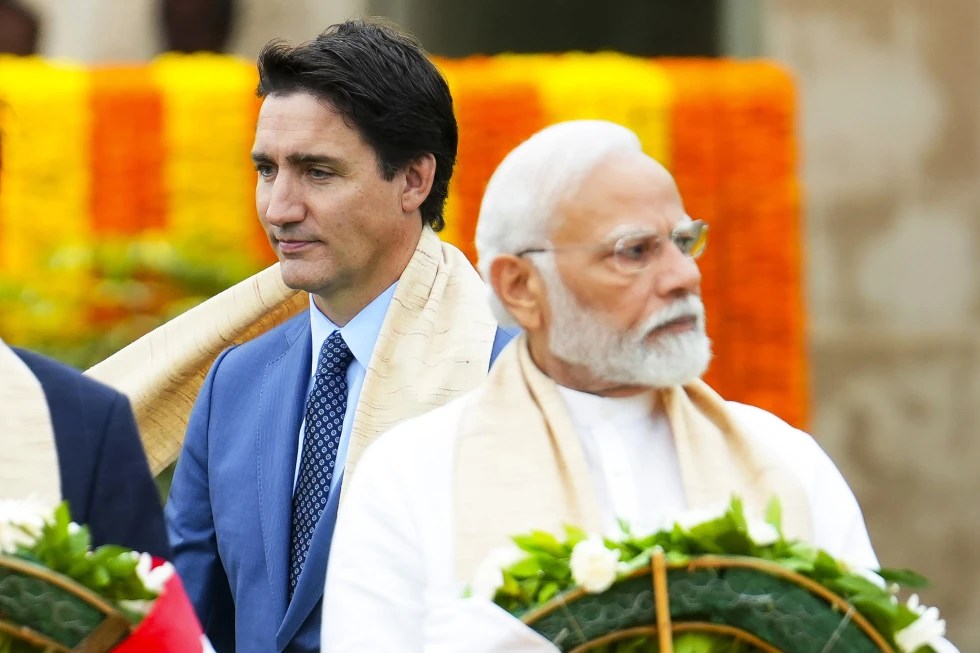
For a while I have been researching the ins and outs of the brazen murder on Canadian soil of the Khalistani separatist and naturalized Canadian citizen Hardeep Singh Nijjar, while trying to determine what to say about the topic that hasn’t already been said. This high profile assassination has turned into a very big deal, and it painfully reminds me of the Devyani Khobragade affair that was miserably bungled by both sides for an extended period of time, setting back US-India relations for month after long month. History seems to be repeating itself with a slightly different cast of characters and circumstances. The gunning down of this unsavory Nijjar character advocating for Sikh independence by masked men in June soon resulted in the most devastating firestorm between Canada and India we have witnessed in recent memory. The tragedy here is that on most other subjects the two nations are largely in friendly alignment. I believe that today’s monumental debacle is a result of several misunderstandings blown out of proportion, which will predictably take way too long to amicably resolve exactly like the Khobragade aftermath.
We can see how things got out of hand. It is not hard to conclude that the “wet work” was conducted by or at the direction of the Indian government’s intelligence agency, Research & Analysis Wing (RAW) as the Canadian government initially accused, for Nijjar was an avowed and outspoken enemy of the state. He was publicly designated by India as a terrorist. The Indian government was quick to officially deny being behind the assassins, while most commentators on both sides believe it went down just the way Prime Minister Justin Trudeau alleges. Such an action would not be out of character for the Modi administration, though I haven’t seen any definitive proof beyond the hazy information that’s publicly available. That being said there are not many great alternative theories to the case. Who else but an agent of India would risk such a bold move, and who else would gain? Who else would wish to send the unmistakable signal? The significant population of Sikhs sympathetic to Nijjar who live (and vote) in Canada has played a prominent part in the story, no doubt influencing Trudeau’s aggressive public stance.
We could argue that India was justified if they were behind the attack. Perhaps the planners may have been better served in clandestinely cooperating with Canada beforehand to handle the Nijjar situation, including exploring extradition more aggressively or failing that, coordinating any other options. In any case there was no such collaboration we know of and the incident caught Canada by surprise, kick-started a severe breakdown in India-Canada bilateral relations, and initiated a cycle of unprecedented retaliatory measures and countermeasures including the expulsion of Indian officials from Canada, Canadian diplomats from India, and mutual travel bans on thousands of innocent bystander citizens who had nothing to do with anything related to the matter. This spiral of outcomes is unproductive for wide-ranging and important business interests, educational exchange, legal immigration, and diplomatic efforts that shape bilateral ties. Another angle out of left field: undisclosed intel from the United States and other Five Eyes allies prominently figure in the story, which has caused the bad feelings to creep into US-India relations as well. This disclosure was unnecessary in my opinion. This is why I had to weigh in. In my search for answers on what really matters here, I finally came across something worth sharing about the topic.
I do not always agree with the confident, controversial, and sometimes reductionist views of American geopolitical strategist Peter Zeihan, but his theories about the future world order are routinely intelligent and interesting, so I periodically follow his content on YouTube. Zeihan recently weighed in with a short video on Nijjar’s assassination upon popular demand from his followers. He does not bother for a second to doubt that India was behind the assassination. With that question out of the way early, one of his other sensible conclusions is that in the long run India’s relations with the West will be determined by the comfort levels in Washington, London, and Ottawa with a more muscular India on the world stage, which is the direction where things are heading. Nijjar’s assassination was probably a bookend. This type of behavior may have seemed very much unlike India’s previous overseas posture, but upon closer examination still aligns with historical foreign policy philosophies in New Delhi.
Let’s hope meanwhile that the damage from the Nijjar incident is rapidly contained and cooler heads prevail on both sides. The West and India both need to lower the temperature of their rhetoric and lay the groundwork to halt all retaliatory measures. The pathetic state of affairs is an unworthy distraction, not to mention a dangerous one. The parties involved all face an increasingly interconnected world on the brink of escalating violence in Northern Africa, Eastern Europe, the Middle East, and the Pacific Rim all at the same time. We are in frightening uncharted territory in urgent need of full focus and unity to navigate the choppy waters directly ahead. Democracies of the world in particular must stick together now more than ever if there’s to be any hope of imposing some semblance of order against the mounting chaos being initiated by dictatorships and terrorists. The United States is best equipped to play mediator between Canada and India, so Uncle Sam must take the lead. Let’s be honest with ourselves, the United States is by no means a stranger to extrajudicial executions of designated terrorists on foreign soil, typically via USAF or CIA drone strikes approved from the very top, in times of war and peace, in Democratic administrations and Republican. We never ask the host country for any sort of permission, nor do we publicly acknowledge responsibility for many of these strikes though it’s not always impossible for journalists to figure out what happened. If there are standards in question they should be applied equitably. As we speak, America is actively backing Israel as the IDF aims to eliminate enemy targets daily in Gaza, the West Bank, and Lebanon despite being more than aware of the collateral civilian damage, high costs, and raised stakes.
There are much bigger fish to fry for the delicate coalition of democracies if they are really interested in long-term survival. India and the Five Eyes countries have an obligation to their people to put an immediate end to the juvenile disagreements rendering them apart at the worst possible time, and take charge of this coalition.
For more insight on the topic please take a gander at Zeihan’s episode:
 MAHANTH.ORG: ANCIENTIC FUTURIST
[…] recent times we discovered the sordid details behind the assassination of a Canadian citizen of Indian origin, Hardeep Singh Nijjar, on Canadian soil. In the aftermath of this stunning event, the Canadian government led by Prime […]
LikeLike